


When people think about luxury, performance, and efficiency in a vehicle, diesel cars might not be the first to come to mind. However, over the last decade, modern diesel cars have undergone a major transformation. Thanks to advancements in technology, today’s diesel-powered vehicles are not only fuel-efficient but also offer exceptional comfort and driving pleasure.
From luxury diesel sedans to quick diesel cars, manufacturers have reimagined diesel performance to appeal to both practical drivers and automotive enthusiasts. This article explores how diesel cars have become more efficient and comfortable while highlighting top-performing models like the BMW 540d xDrive, Audi A7 3.0 TDI, and Mercedes-Benz E-Class 300d.
Why Diesel Cars Are More Efficient Today
One of the main reasons drivers choose diesel vehicles is diesel engine efficiency. Diesel engines are known for their ability to deliver more miles per gallon than gasoline engines. But why are diesel engines more efficient?
1. Higher Energy Content
Diesel fuel has a higher energy density than gasoline. This means diesel engines can extract more energy per gallon, leading to better fuel economy. For long-distance drivers, this makes diesel an attractive option.
2. Lower RPM, Higher Torque
Diesel engines operate at lower revolutions per minute (RPM), which reduces fuel consumption. They also produce more torque at lower RPMs, which translates into strong acceleration without straining the engine.
3. Turbocharging Technology
Most modern diesel cars come equipped with turbochargers, which help boost engine performance and maintain efficiency. This means drivers get the power they need without burning extra fuel.
Comfort Meets Power in Luxury Diesel Sedans
Diesel cars used to be known mainly for their practicality and were often found in trucks or work vehicles. Today, that’s no longer the case. Premium brands have invested in engineering luxury diesel sedans that not only perform well but also offer high-end comfort and design.
Let’s take a look at how some of the leading luxury diesel models are redefining comfort and performance:
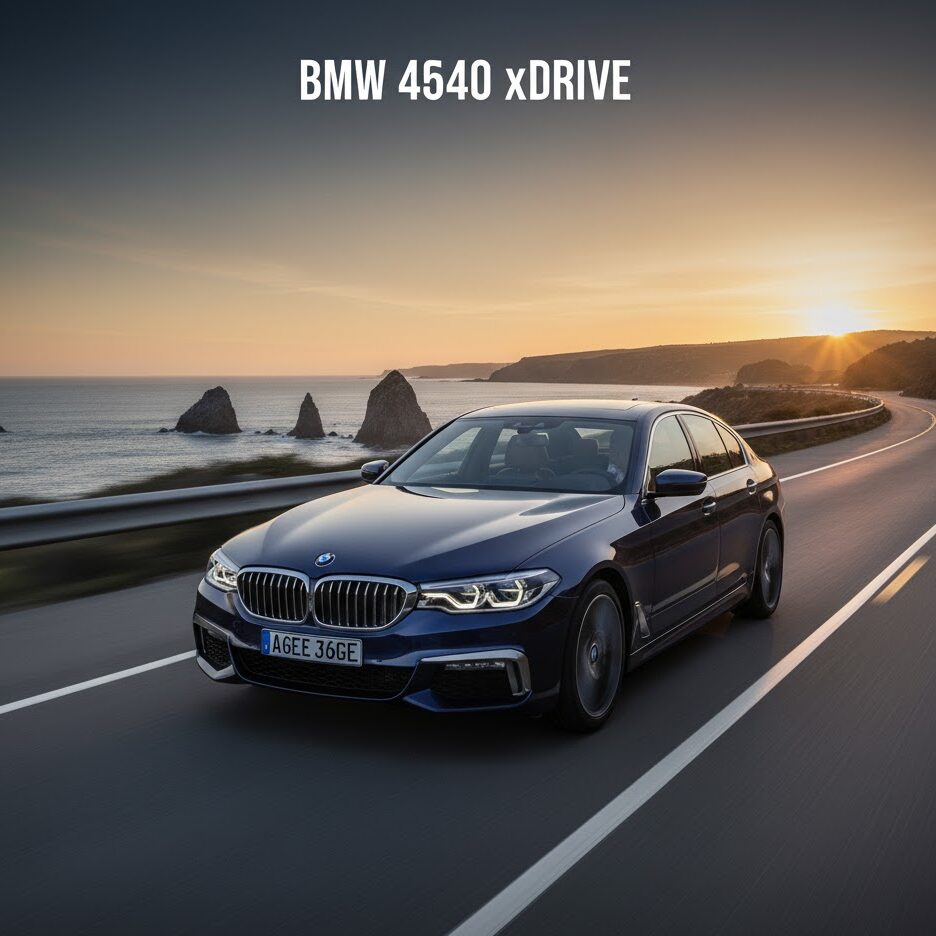
BMW 540d xDrive
The BMW 540d xDrive is a top contender in the segment of quick diesel cars. Equipped with a 3.0L turbocharged inline-six diesel engine, this sedan produces around 261 horsepower and an impressive 457 lb-ft of torque. What’s even more impressive is its ability to accelerate from 0 to 60 mph in just under 5 seconds, making it one of the fastest diesel cars in the USA.
Inside, the 540d offers signature BMW luxury—premium leather seats, a digital cockpit, and adaptive suspension for a smooth and quiet ride. The xDrive all-wheel-drive system adds to both comfort and stability in all weather conditions.
Audi A7 3.0 TDI
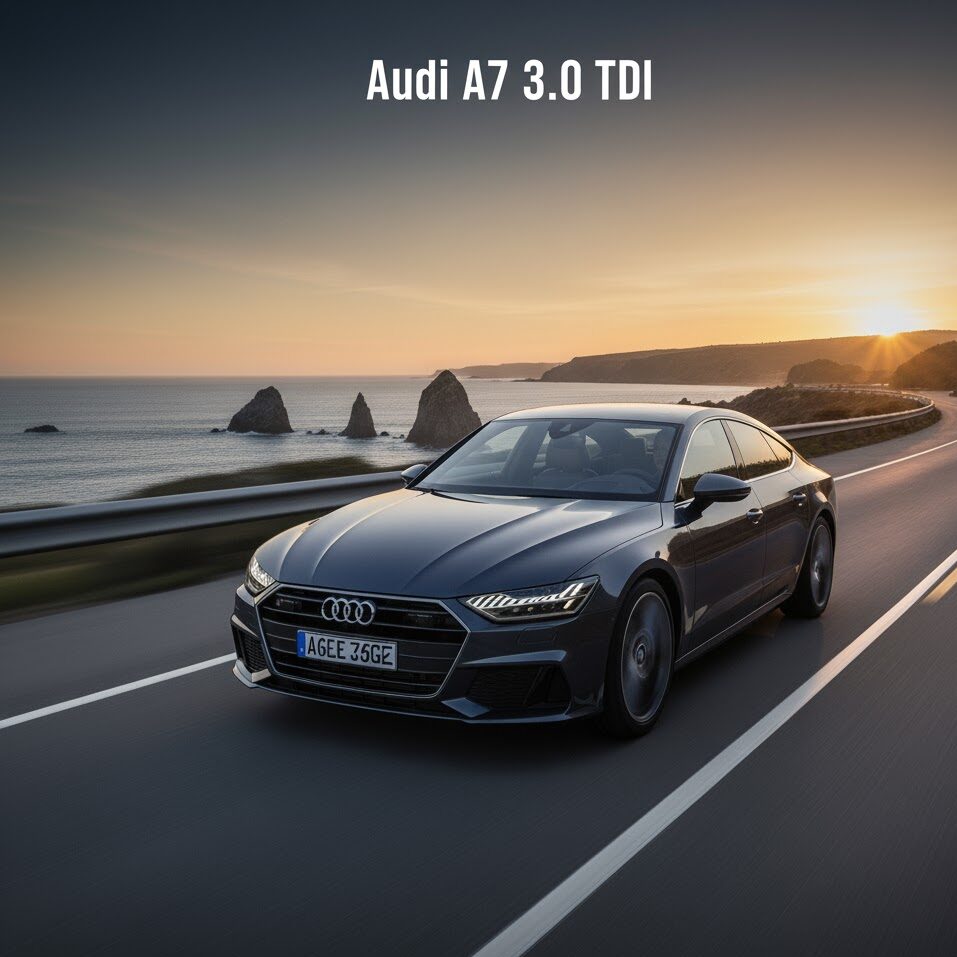
When it comes to blending design and performance, the Audi A7 3.0 TDI stands out. Its sleek, coupe-like exterior and spacious, tech-filled interior make it a favorite among fans of luxury diesel sedans. Under the hood, it features a powerful V6 diesel engine with roughly 240 horsepower, allowing it to reach 60 mph in about 5.5 seconds.
Its diesel engine efficiency ensures long-distance travel without frequent stops, while Audi’s signature quattro all-wheel-drive system and adaptive air suspension deliver unmatched comfort and control on the road.
Mercedes-Benz E-Class 300d
The Mercedes-Benz E-Class 300d is a perfect example of diesel refinement. Known for its quiet and smooth ride, this sedan offers outstanding diesel performance and fuel economy. It features a 2.0L turbocharged diesel engine, which may not be the fastest but provides excellent everyday usability with refined handling and premium cabin materials.
Luxury details such as ambient lighting, massage seats, and intuitive infotainment systems make it a top pick for those who prioritize comfort with solid performance.

Quick Diesel Cars for the Modern Driver
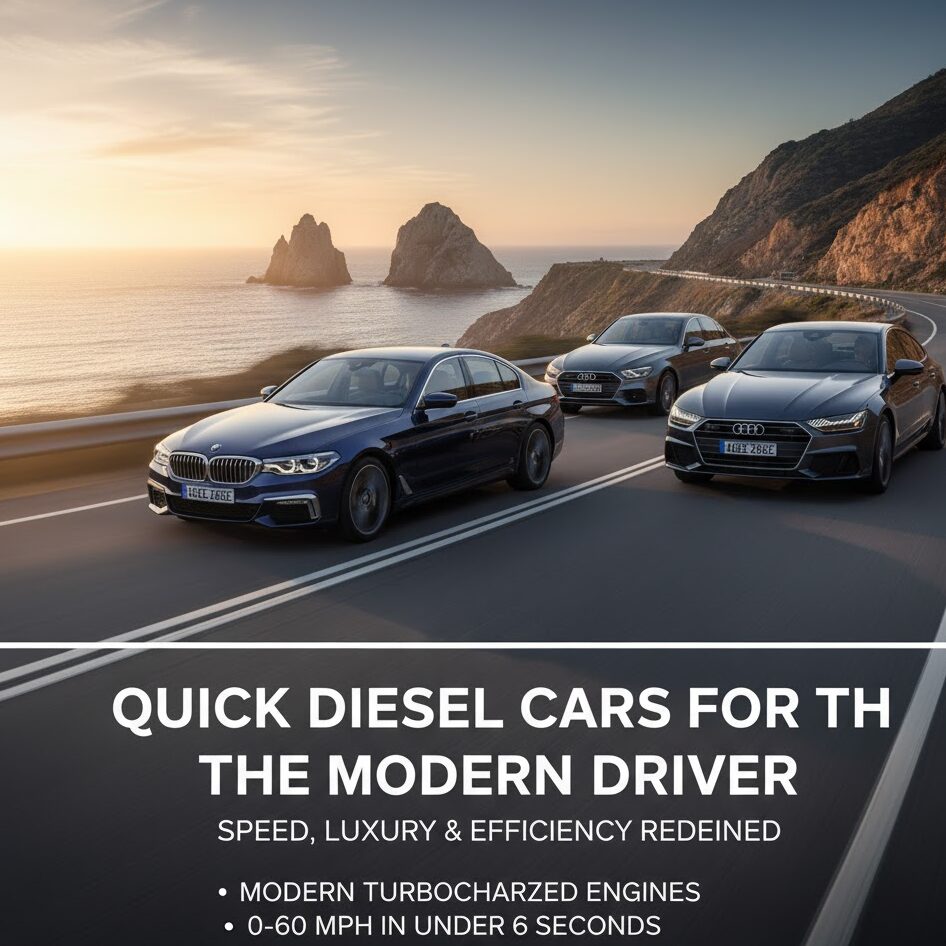
The phrase quick diesel cars might sound unusual to some, but manufacturers have proven that diesel engines can offer serious speed. Thanks to advancements in turbocharging and direct injection, today’s diesel sedans can compete with many gasoline-powered performance cars.
With vehicles like the BMW 540d xDrive and Audi A7 3.0 TDI reaching 60 mph in under 6 seconds, it’s clear that diesel is no longer just about saving fuel—it’s about enjoying the drive too.
Diesel Trucks USA: A Comparison
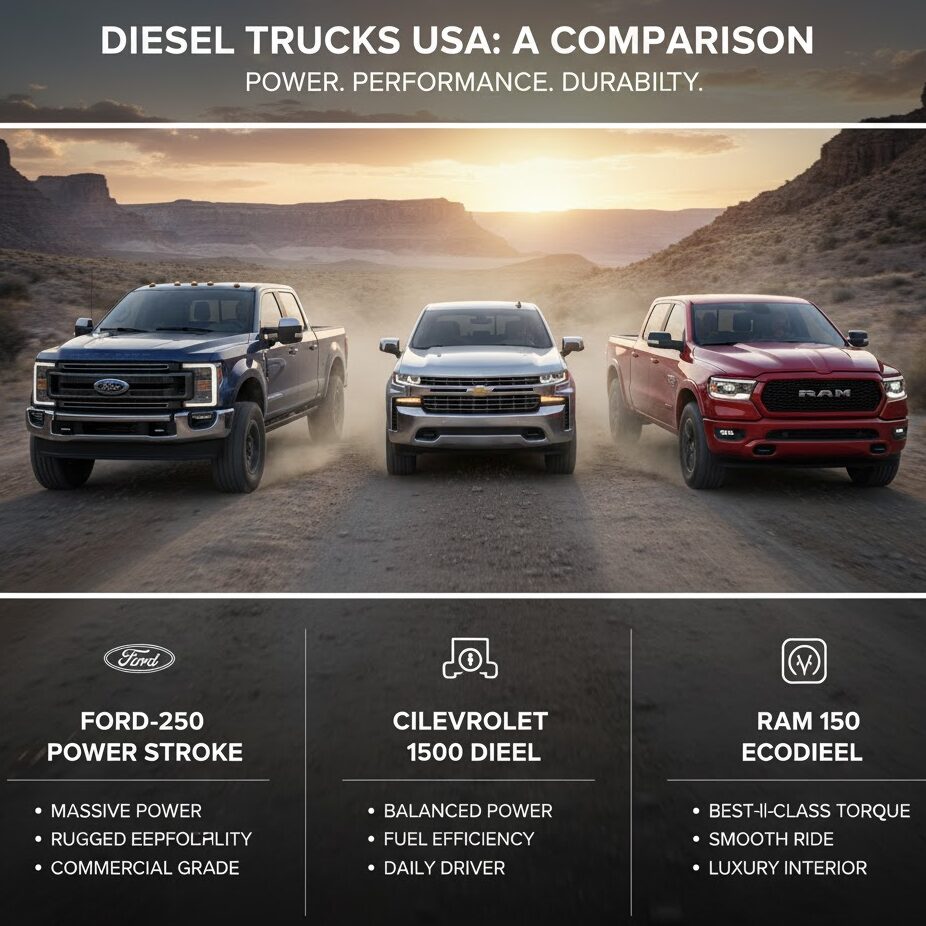
While the focus here is on sedans, it’s worth mentioning diesel trucks USA for comparison. Models like the Ford F-250 Power Stroke, Chevrolet Silverado 1500 Diesel, and Ram 1500 EcoDiesel showcase diesel’s strength in the truck segment.
These trucks are known for towing power, rugged performance, and long-lasting engines. However, unlike luxury diesel sedans, their focus leans more toward utility and less toward cabin luxury and driving comfort. That said, diesel trucks still share the common advantage of diesel engine efficiency, especially under heavy loads.
Future of Diesel Comfort and Efficiency
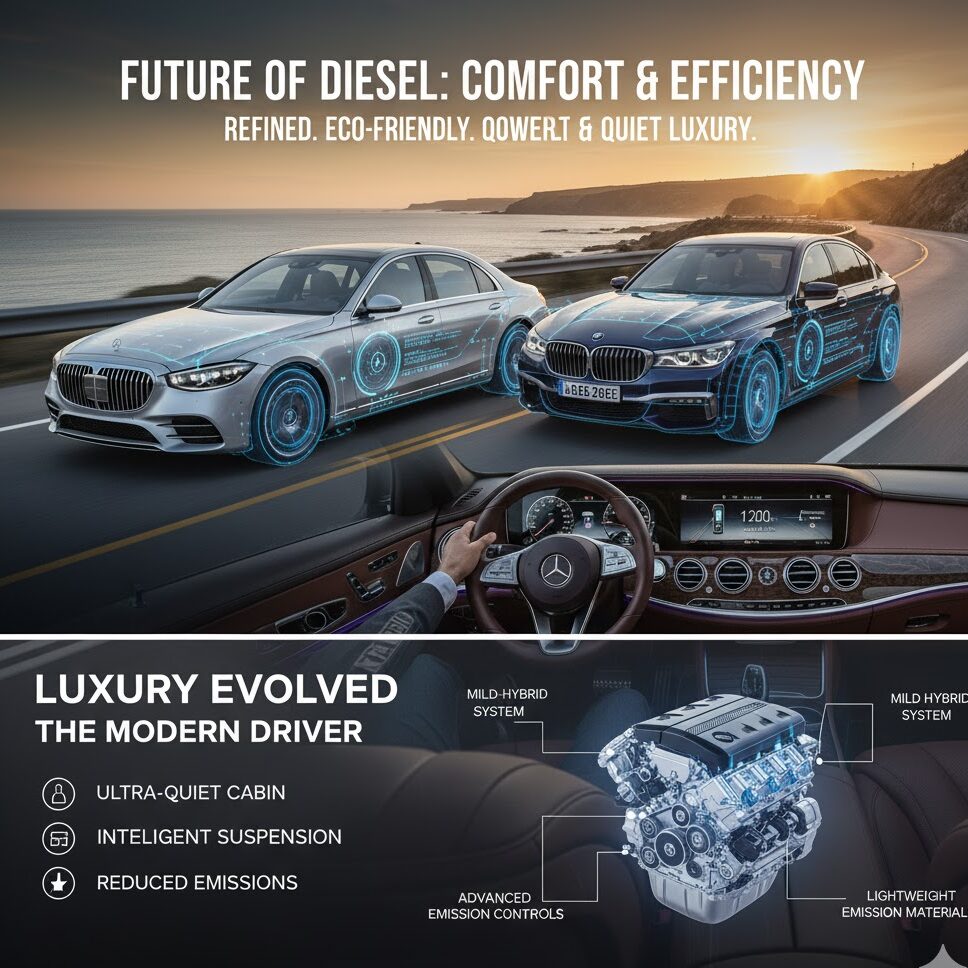
Looking ahead, we can expect diesel engine efficiency to improve even further. With the integration of mild hybrid systems, better emission controls, and lightweight engine materials, diesel vehicles are being fine-tuned for the modern world.
Manufacturers are focusing on reducing emissions while enhancing the luxury experience. From ultra-quiet cabins to intelligent suspension systems, luxury diesel sedans are becoming more refined and eco-friendly.
Conclusion
Diesel cars have come a long way from their noisy, utility-focused roots. Today’s modern diesel cars offer an excellent blend of power, efficiency, and comfort. From the refined Mercedes-Benz E-Class 300d to the performance-focused BMW 540d xDrive and the stylish Audi A7 3.0 TDI, diesel sedans are proving that you don’t have to sacrifice driving pleasure for fuel savings.
As the industry continues to innovate, quick diesel cars and luxury diesel sedans are carving out their niche in a world increasingly dominated by electrification. They remain a smart choice for drivers who value long-term reliability, torque-rich performance, and everyday luxury.
For more expert insights, reviews, and updates on performance vehicles and efficient driving solutions, stay connected with nexgenwheels — your trusted source for automotive trends and innovations.
FAQs – Diesel Cars: Efficiency & Comfort
- Why are diesel engines more fuel-efficient than gasoline engines?
Diesel engines have a higher energy density and operate at lower RPMs, which means they burn less fuel over time. They also produce more torque at low speeds, contributing to better fuel economy, especially during highway driving. - Are modern diesel cars quieter and more comfortable than older models?
Yes. Modern diesel cars use advanced soundproofing, refined suspension systems, and vibration-reduction technologies to provide a smooth and quiet ride—a far cry from the noisy diesels of the past. - What are the best diesel sedans for performance and luxury?
Top models include:
- BMW 540d xDrive – known for speed and handling
- Audi A7 3.0 TDI – sleek design with strong V6 performance
- Mercedes-Benz E-Class 300d – refined comfort and efficiency
- BMW 540d xDrive – known for speed and handling
- Do diesel cars accelerate as fast as gasoline cars?
Many modern diesel sedans, like the BMW 540d and Audi A7 TDI, can accelerate from 0–60 mph in under 6 seconds, thanks to turbocharging and high torque output, making them comparable to performance-oriented gas vehicles. - How do diesel cars compare to diesel trucks in terms of comfort?
Diesel sedans focus on refined interiors, smoother rides, and advanced tech, while diesel trucks prioritize towing capacity, durability, and utility. However, high-end trucks are starting to include more comfort features as well. - Are diesel engines still relevant with the rise of electric vehicles (EVs)?
Yes, especially for drivers who need long-range capability, high torque for towing, or better fuel economy for long commutes. While EVs are growing in popularity, diesel still holds an advantage in certain real-world use cases. - Are diesel cars more eco-friendly than gasoline cars?
Modern diesel engines emit less CO₂ per mile than gasoline engines, making them more efficient. However, they produce higher NOx emissions, which are now being controlled through advanced emission systems like AdBlue and particulate filters.
