


In recent years, electric vehicles have revolutionized the automotive industry. With rapid advances in battery technology, wider charging networks, and a global shift toward sustainability, more drivers are making the switch from traditional gas-powered cars to electric alternatives.
The advantages of electric cars go far beyond just being eco-friendly — they offer practical, financial, and performance-related benefits that make them a smart choice in 2025. As technology continues to evolve, electric cars have become more accessible and appealing than ever.
In this blog from NexgenWheels, we’ll explore the top 10 electric cars benefits that make them an ideal option for modern drivers. Whether you’re motivated by lower costs, environmental responsibility, or cutting-edge innovation, these advantages will help you understand why the future of driving is electric.
1. Environmental Benefits of Electric Cars
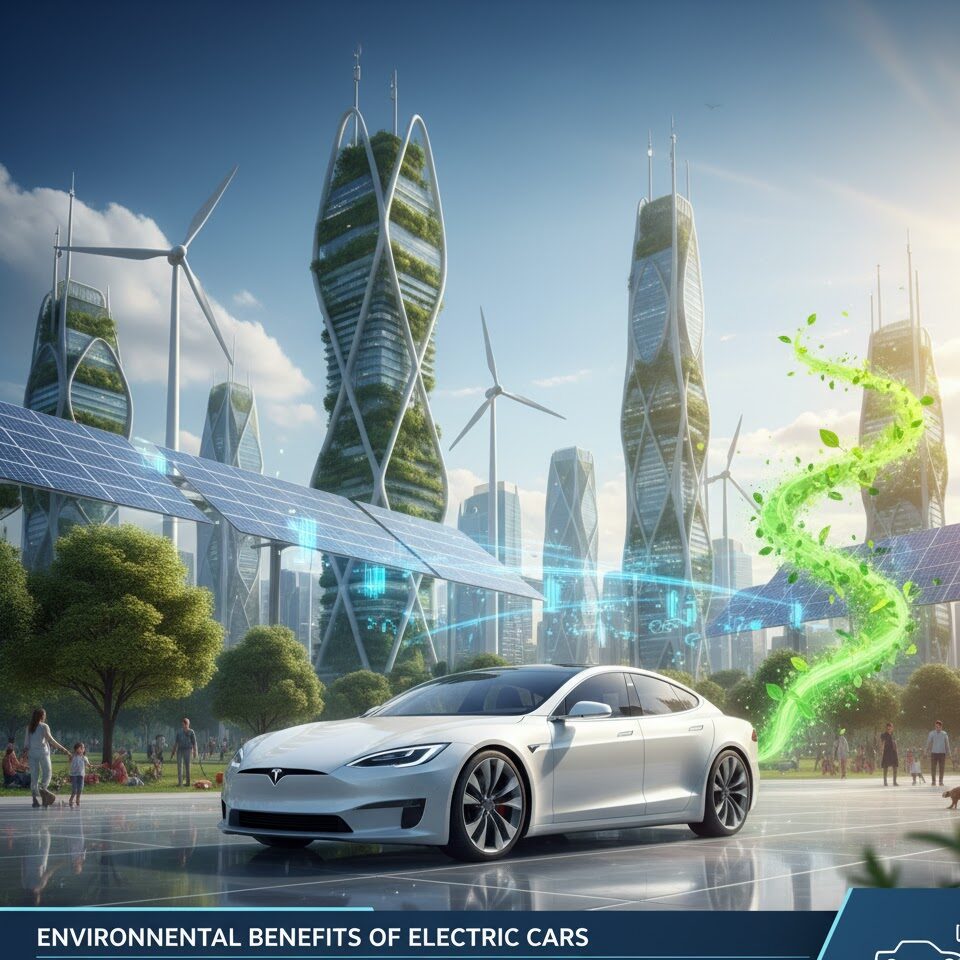
One of the most well-known electric cars benefits is their positive impact on the planet. Unlike vehicles with internal combustion engines, electric vehicles produce zero tailpipe emissions. This helps reduce air pollution, smog, and greenhouse gases that contribute to global warming.
By driving an electric car, you play an active role in reducing your carbon footprint. Cities with higher electric car adoption often enjoy improved air quality and less noise pollution — contributing to healthier communities and a more sustainable future.
Furthermore, as renewable energy sources like wind and solar become more widely available, the environmental benefits of electric cars will only grow stronger, making them a key part of the green transportation movement.
2. Cost Savings with Electric Cars
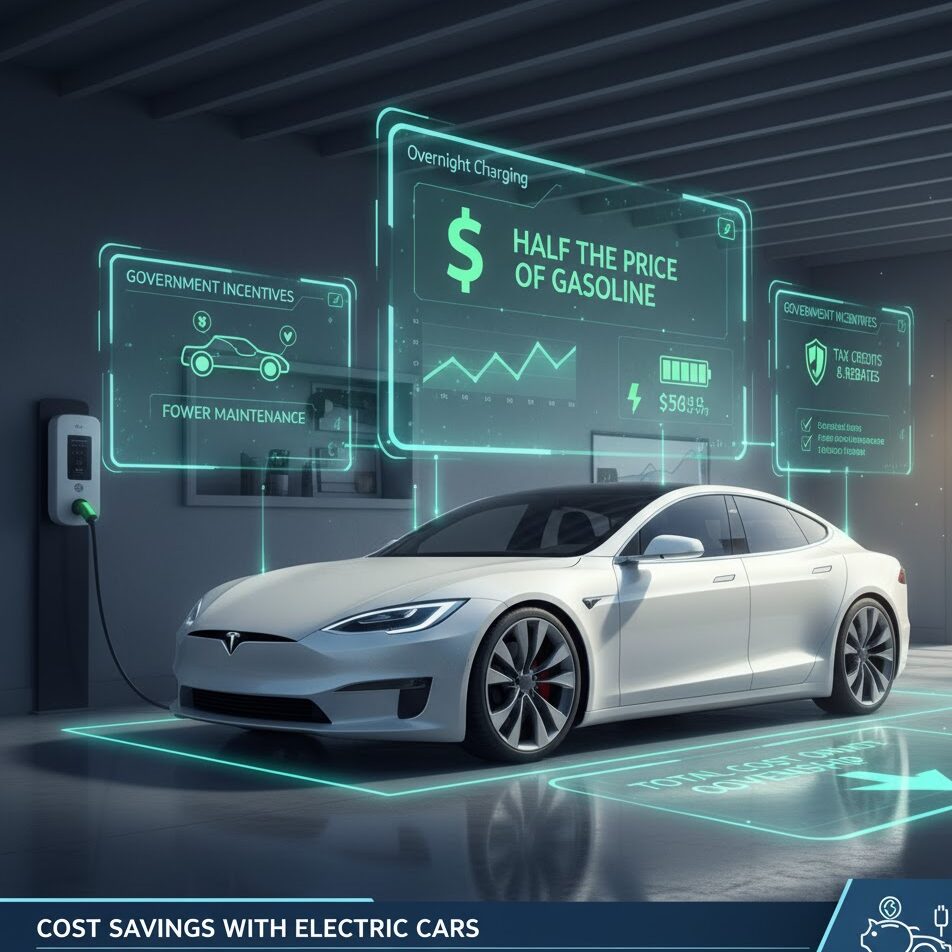
When considering the advantages of electric cars, cost efficiency tops the list. While the upfront price may be slightly higher, electric cars offer significant savings in the long run.
Electricity is cheaper than gasoline, and with overnight home charging, you can reduce your refueling expenses drastically. According to the U.S. Department of Energy, the average cost per mile for electricity is nearly half that of gasoline.
In addition, electric cars have fewer moving parts, which means fewer breakdowns and lower maintenance expenses. Drivers can also benefit from government tax credits, state rebates, and incentives that further reduce the total cost of ownership. Over time, cost savings with electric cars make them not just an eco-friendly option, but also a financially smart investment.
3. Energy Efficiency of Electric Cars
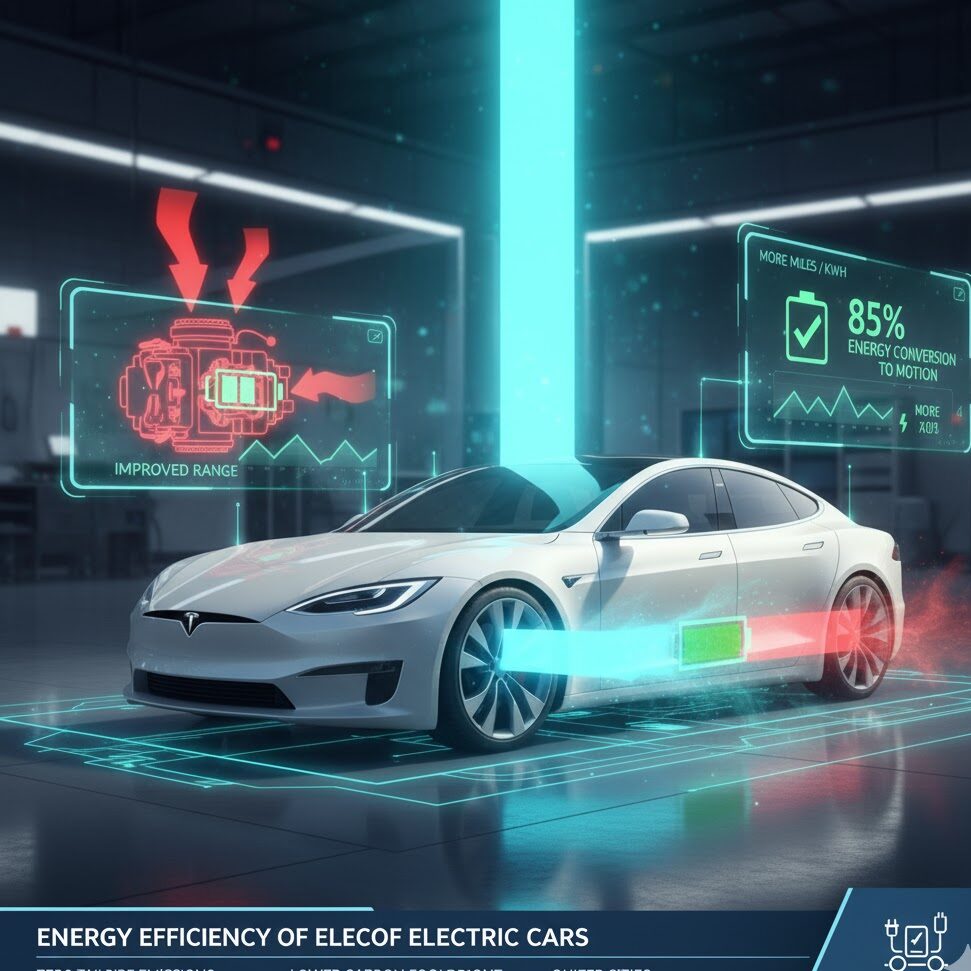
Another significant benefit of electric vehicles is their high energy efficiency. Traditional engines waste a large portion of fuel energy as heat, whereas electric motors convert over 85% of electrical energy from the battery into actual motion.
This superior energy efficiency of electric cars translates into less waste and more effective use of resources. In practical terms, it means more miles per kilowatt-hour and better performance from every charge.
The reduced energy loss also contributes to lower emissions over the vehicle’s life cycle, especially when powered by renewable energy. As battery technology continues to advance, the efficiency and driving range of electric cars will only improve further.
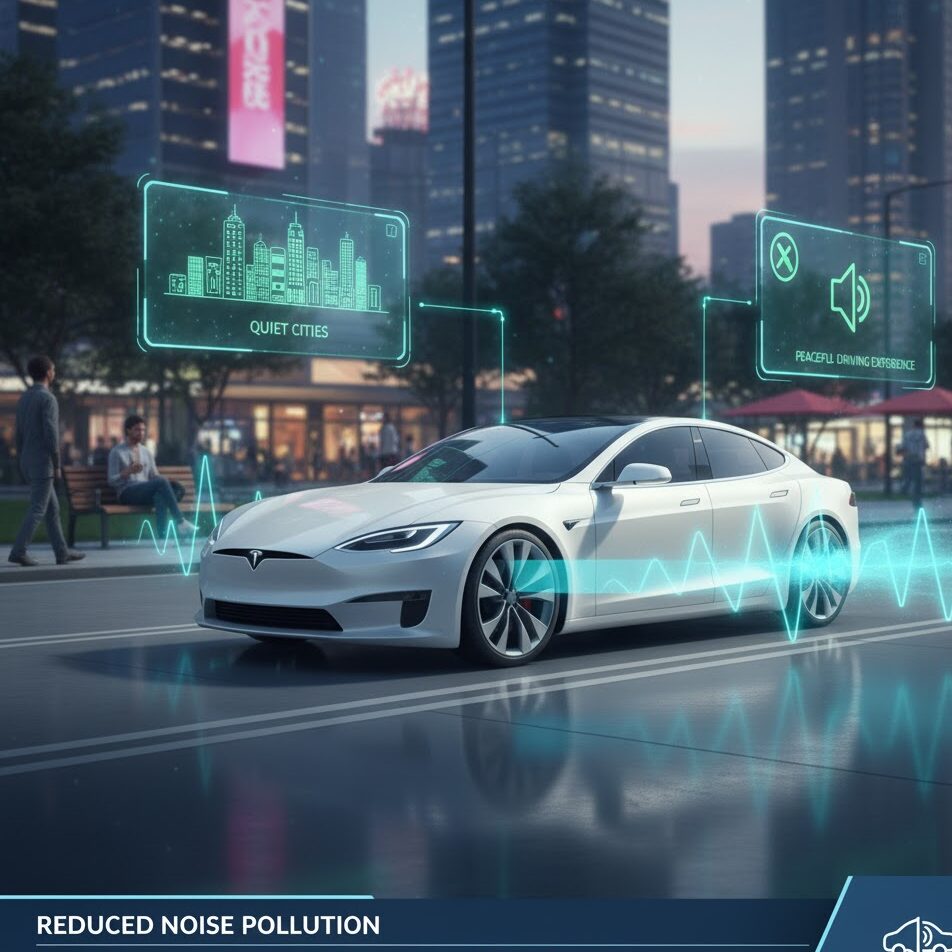
4. Reduced Noise Pollution
Electric cars operate much more quietly than gasoline-powered vehicles. The absence of an internal combustion engine means there’s minimal vibration and virtually no engine noise.
This quieter operation creates a more pleasant and peaceful driving experience, especially in crowded cities. The reduction in noise pollution also contributes to better mental health and a calmer urban environment — another often-overlooked pros to electric cars.
Many drivers find the quiet cabin of electric vehicles relaxing, making long drives more comfortable and less stressful.
5. Convenient Charging Options
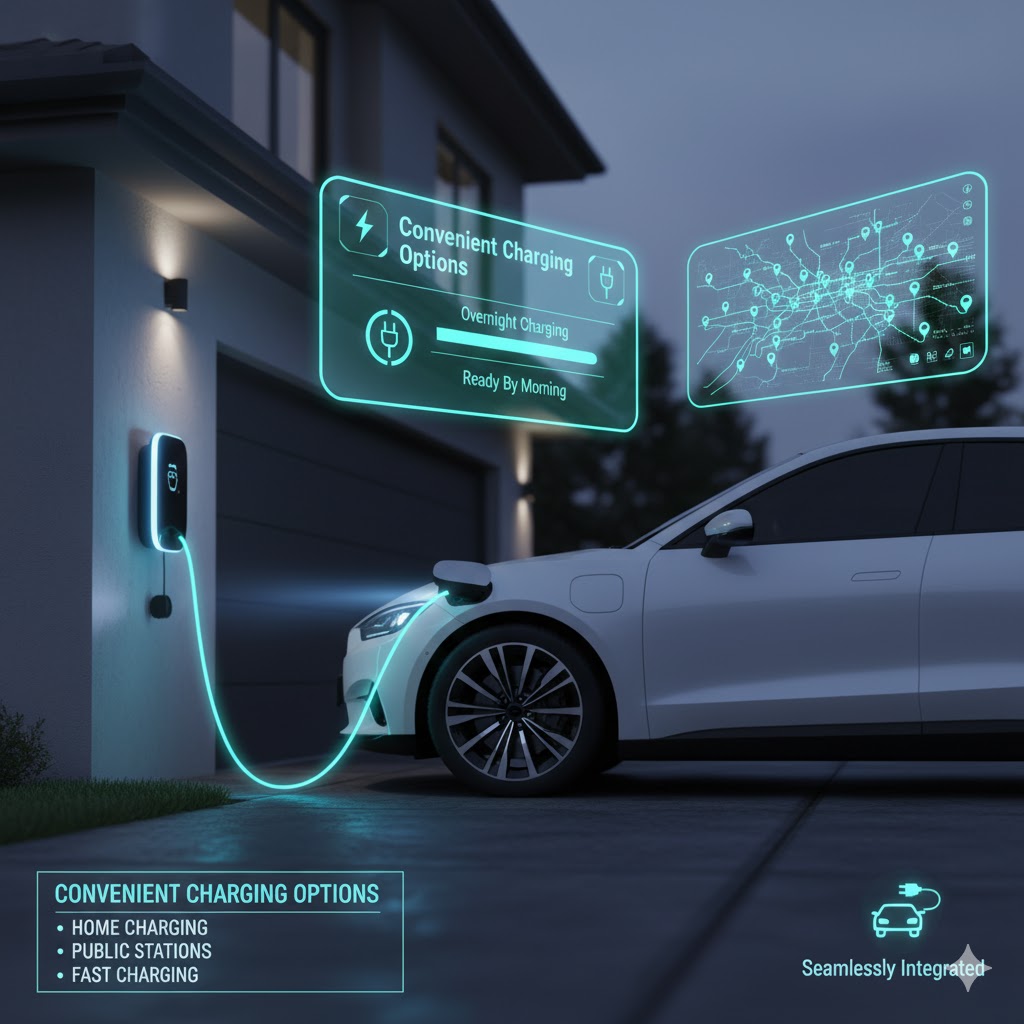
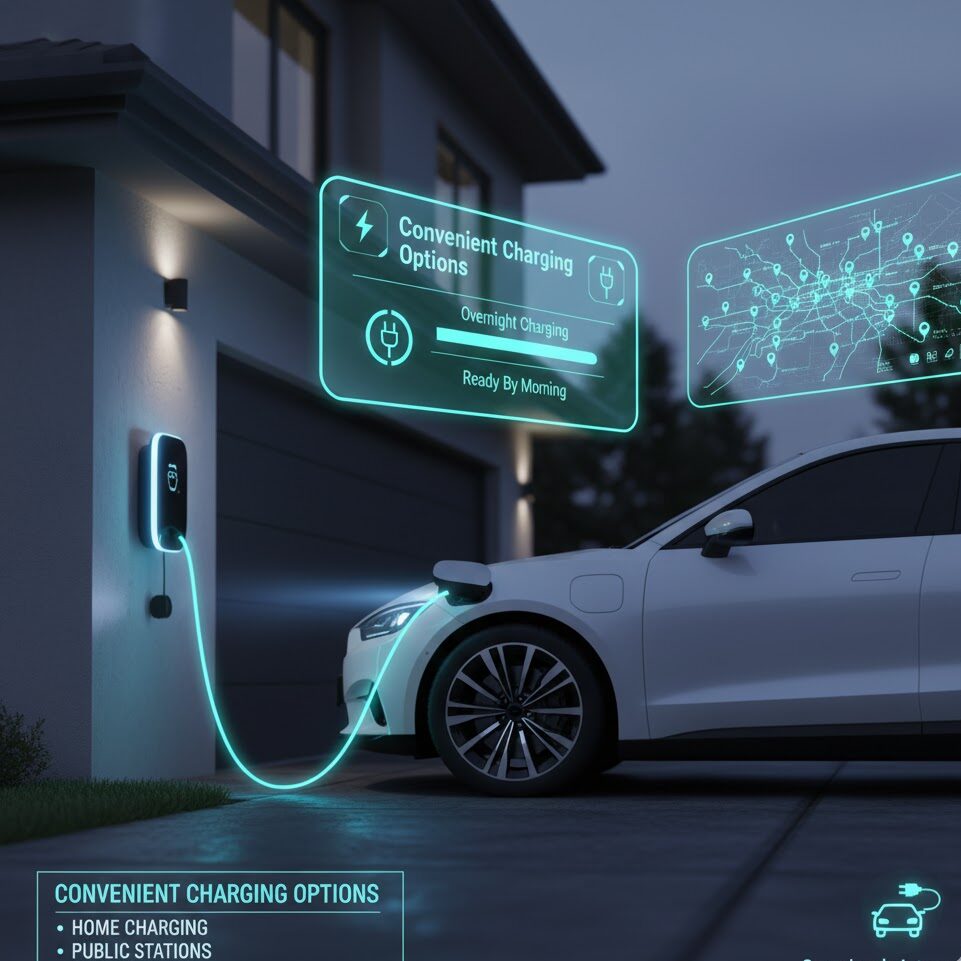
One of the growing advantages of electric cars is the expanding network of charging infrastructure. Charging stations are now widely available at workplaces, shopping centers, parking lots, and highways across many countries.
For most owners, the convenience of charging at home is unmatched. Plug in your vehicle overnight, and it’s ready by morning — no more detours to gas stations or waiting in line for fuel.
Public fast chargers also make long-distance travel easier. Some models can achieve an 80% charge in as little as 30 minutes. This increasing accessibility ensures that owning an electric car fits seamlessly into everyday life.
Key Features of the Ideal Electric Vehicle
When considering a switch to an electric car, keep the following factors in mind:
- Range: Choose a car that meets your daily travel needs on a single charge.
- Charging Speed: Look for fast-charging capability to minimize waiting times.
- Battery Life: Opt for reliable batteries with extended warranties.
- Safety: Ensure advanced safety ratings and robust crash-test performance.
- Comfort and Design: Evaluate interior space, quality materials, and ergonomic features.
- Technology: Prefer vehicles with intuitive interfaces and the latest driver-assist functions.
Conclusion
The advantages of electric cars are transforming the way we think about transportation. From significant cost savings with electric cars to the unmatched environmental benefits of electric cars, these vehicles represent the perfect blend of innovation, sustainability, and performance.
As charging networks expand and battery technology continues to advance, owning an electric car in 2025 is no longer just a trend — it’s a smart and responsible lifestyle choice.
Embrace the future with NexgenWheels, where we bring you the latest insights, reviews, and trends in sustainable mobility. Discover how the pros to electric cars can redefine your driving experience and contribute to a cleaner, more efficient world.
I also covered this topic last year—don’t miss my detailed roundup of the 10 advantages of electric cars
FAQs
1. Are electric cars better for the environment?
Yes. Electric cars produce zero tailpipe emissions, helping reduce air pollution and greenhouse gases. Their sustainability improves further when powered by renewable energy sources.
2. Do electric cars cost more than gas vehicles?
While electric cars may have higher upfront costs, they provide long-term savings on fuel, maintenance, and taxes, often balancing or surpassing the initial investment.
3. How far can an electric car travel on one charge?
Ranges vary by model, but many modern electric vehicles can travel 250–400 miles per charge, depending on driving conditions and battery capacity.
4. Are there enough charging stations for electric cars?
Yes. The number of public charging stations is growing rapidly, with fast-charging networks expanding across highways and urban areas.
5. What are the main maintenance needs of electric cars?
Electric cars require minimal maintenance — mainly tire rotations, brake inspections, and battery checks — thanks to fewer moving parts and simplified systems.
