


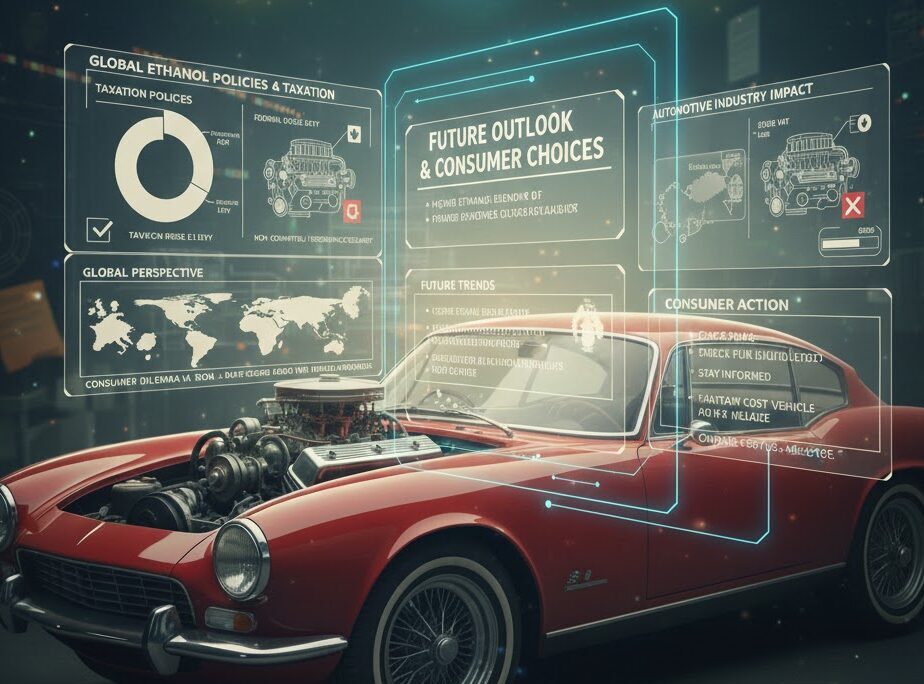
Fuel prices have always been a topic of national debate, affecting everything from daily commuting costs to the overall economy. In recent years, one specific concern has gained momentum among vehicle owners, especially car and bike enthusiasts without ethanol petrol price. As governments around the world push for cleaner fuel alternatives and reduced dependence on fossil fuels, ethanol-blended petrol has become the norm. However, this shift has also sparked questions about pricing, performance, engine compatibility, and long-term impact.
Explore how government fuel policies influence petrol pricing, why ethanol blending is promoted, and how these decisions affect the without ethanol petrol price. We’ll also look at the pros and cons for consumers, the automotive industry’s response, and what the future may hold.
Understanding Ethanol Blending in Petrol
Ethanol is a biofuel, usually derived from crops like sugarcane, corn, or wheat. When blended with petrol, it helps reduce carbon emissions and lowers dependence on crude oil imports. Common blends include E10 (10% ethanol), E15, and even E20 in some countries.
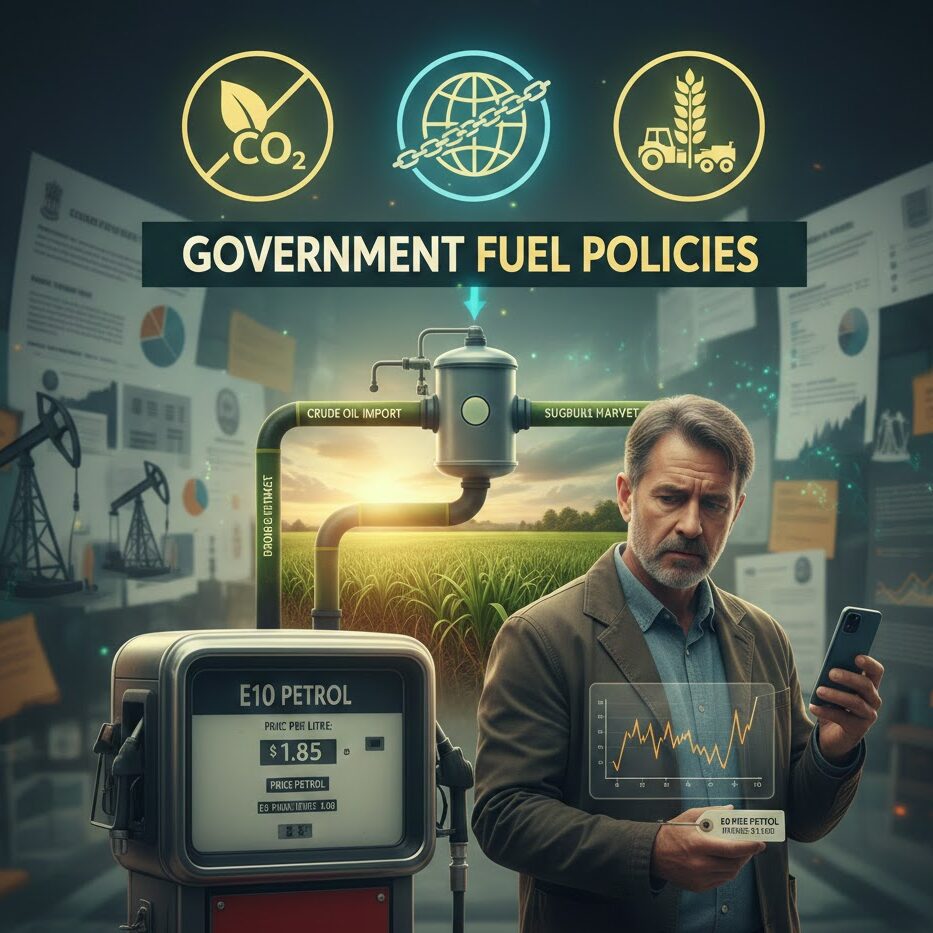
Governments promote ethanol blending for three main reasons:
- Environmental benefits – Lower greenhouse gas emissions compared to pure petrol
- Energy security – Reduced reliance on imported crude oil
- Support for agriculture – Increased demand for ethanol-producing crops
While these goals are well-intentioned, the shift has raised concerns among consumers who prefer pure petrol and closely track the without ethanol petrol price.
Government Fuel Policies: The Bigger Picture
Fuel pricing is not just about crude oil costs. It is heavily influenced by government policies, including:
- Excise duties and taxes
- Ethanol blending mandates
- Subsidies for biofuel production
- Import-export regulations
- Environmental compliance costs
When governments mandate ethanol blending, oil marketing companies are required to mix ethanol with petrol before selling it to consumers. This directly impacts production costs, supply chains, and ultimately retail fuel prices.
How Ethanol Policies Affect Petrol Pricing
1. Cost of Ethanol Production
Ethanol production depends on agricultural output, weather conditions, and government subsidies. When crop prices rise or production falls, ethanol becomes more expensive. These costs are often passed on indirectly to consumers, influencing the final petrol price.
2. Infrastructure and Distribution Costs
Blended fuels require upgraded storage tanks, pipelines, and transport systems. These infrastructure investments add to operational expenses, which can affect fuel pricing across the board—including the without ethanol petrol price, which may be produced and distributed in limited quantities.
3. Limited Availability of Pure Petrol
As ethanol blending becomes standard, pure petrol (without ethanol) becomes less common. Limited supply often leads to higher prices, especially in regions where demand remains strong among owners of premium cars, vintage vehicles, and high-performance bikes.
Why Consumers Still Prefer Petrol Without Ethanol
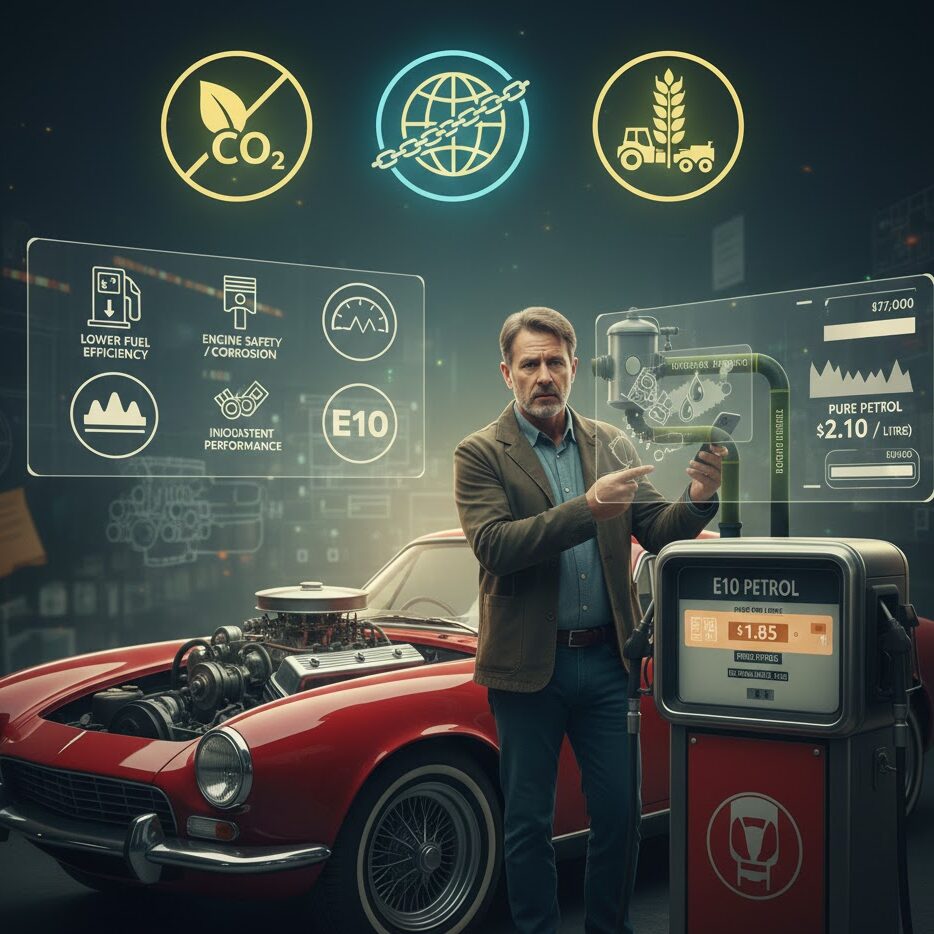
Despite government encouragement, many drivers actively seek petrol without ethanol. Here’s why:
- Better fuel efficiency – Ethanol has lower energy density than petrol
- Engine safety – Older engines and certain performance vehicles are not ethanol-compatible
- Reduced corrosion – Ethanol attracts moisture, which can damage fuel systems
- Consistent performance – Pure petrol offers smoother acceleration and reliability
These factors keep the demand alive, even if the without ethanol petrol price is slightly higher than blended fuel.
Taxation Policies and Their Role
Taxes form a significant portion of fuel prices. In many countries, petrol taxes include:
- Central or federal excise duty
- State-level value-added tax (VAT)
- Environmental or carbon levies
In some cases, ethanol-blended fuels receive tax incentives to encourage adoption. This can make blended petrol marginally cheaper, while pure petrol does not benefit from such concessions—again impacting the without ethanol petrol price.
Impact on the Automotive Industry
Manufacturers Adapting to Ethanol Blends
Car and bike manufacturers are gradually designing engines compatible with higher ethanol blends like E20. This aligns with government policy but creates a transitional phase where older vehicles struggle with new fuel standards.
Aftermarket and Performance Segment
The performance car and superbike community often prefers pure petrol for tuning and engine longevity. As a result, they closely monitor changes in the without ethanol petrol price and availability.
Observed growing conversations around fuel choice, especially among enthusiasts who prioritize engine health over marginal cost savings.
Environmental vs. Consumer Economics
From a policy standpoint, ethanol blending is a step toward sustainability. However, from a consumer’s perspective, the trade-off isn’t always favorable.
- Ethanol reduces emissions but can reduce mileage
- Blended petrol may be cheaper but less efficient
- Pure petrol costs more but delivers better performance
This creates a pricing and value dilemma where consumers weigh environmental responsibility against long-term vehicle costs.
Global Perspective on Ethanol Fuel Policies
Different countries approach ethanol blending differently:
- United States – Widely uses E10 and E15, with strong agricultural backing
- Brazil – One of the largest ethanol producers, with flexible-fuel vehicles
- India – Aggressively pushing toward E20 adoption
- Europe – Mixed approach, balancing biofuels and electric mobility
For a broader understanding of global biofuel initiatives, you can explore the International Energy Agency’s overview on biofuels and transport policies through this resource on renewable fuels and transport energy.
These global strategies influence crude oil demand and international pricing, indirectly shaping local petrol prices and the availability of non-ethanol options.

Challenges in Maintaining Pure Petrol Supply
As blending mandates increase, oil companies face challenges in maintaining separate supply chains for pure petrol:
- Higher storage and logistics costs
- Lower sales volume
- Regulatory pressure to phase out non-blended fuels
These challenges often result in fewer outlets offering pure petrol, and when they do, the without ethanol petrol price tends to be higher due to scarcity.
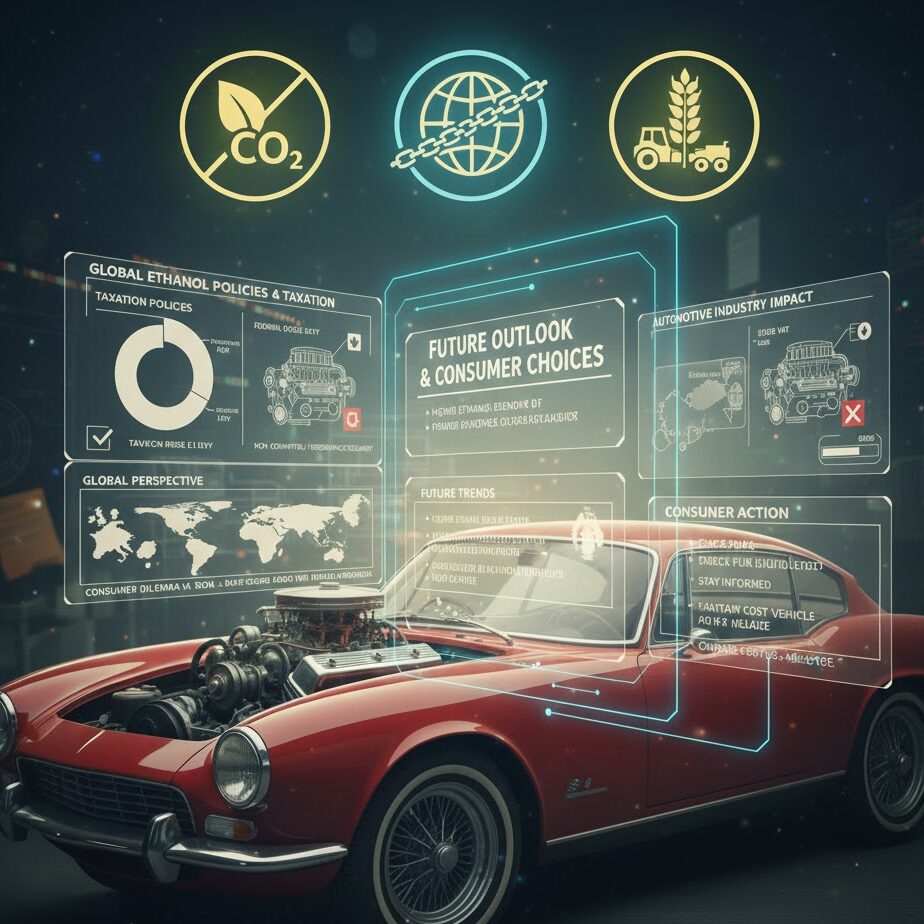
Future Outlook: What Lies Ahead?
Looking forward, several trends are likely to shape fuel pricing:
- Higher ethanol blending targets – Governments are unlikely to roll back mandates
- Improved engine compatibility – New vehicles will handle ethanol better
- Gradual phase-out of pure petrol – Availability may reduce further
- Rise of alternative mobility – Electric and hybrid vehicles may offset fuel debates
However, in the medium term, demand for pure petrol will persist, especially in markets with a large base of older vehicles. This means the without ethanol petrol price will remain a relevant topic for consumers and policymakers alike.
What Consumers Can Do
If you prefer petrol without ethanol:
- Check fuel station labeling carefully
- Stay informed about government fuel policy updates
- Maintain your vehicle properly to handle blended fuels if needed
- Compare cost vs. mileage rather than price alone
FAQs: Government Fuel Policies and Without Ethanol Petrol Price
1. What does “petrol without ethanol” mean?
It refers to pure petrol that does not contain any ethanol blending, unlike E10 or E20 fuels.
2. Why is the without ethanol petrol price usually higher?
Pure petrol often costs more due to limited availability, lack of tax incentives, and higher distribution costs.
3. Is ethanol-blended petrol bad for all vehicles?
No, newer vehicles are generally designed to handle ethanol blends. Older vehicles and high-performance engines may face issues.
4. Can ethanol-blended fuel reduce mileage?
Yes, ethanol has lower energy density, which can slightly reduce fuel efficiency compared to pure petrol.
5. Will petrol without ethanol be phased out completely?
While not immediate, many governments aim to reduce or eliminate pure petrol as blending targets increase.
6. Should I choose performance over price when buying fuel?
It depends on your vehicle type, usage, and priorities. Performance vehicles may benefit from pure petrol despite a higher cost.
Final Thoughts
Government fuel policies play a decisive role in shaping the fuel market, from environmental goals to pricing structures. While ethanol blending supports sustainability and energy security, it also influences consumer choices and the without ethanol petrol price. As policies evolve, staying informed is key.
For automotive insights, performance discussions, and real-world driving perspectives.
If you want know more about this type click on this link :
Petrol 10 Ethanol is It the Right Fuel for Your Car? Pros and Cons
