


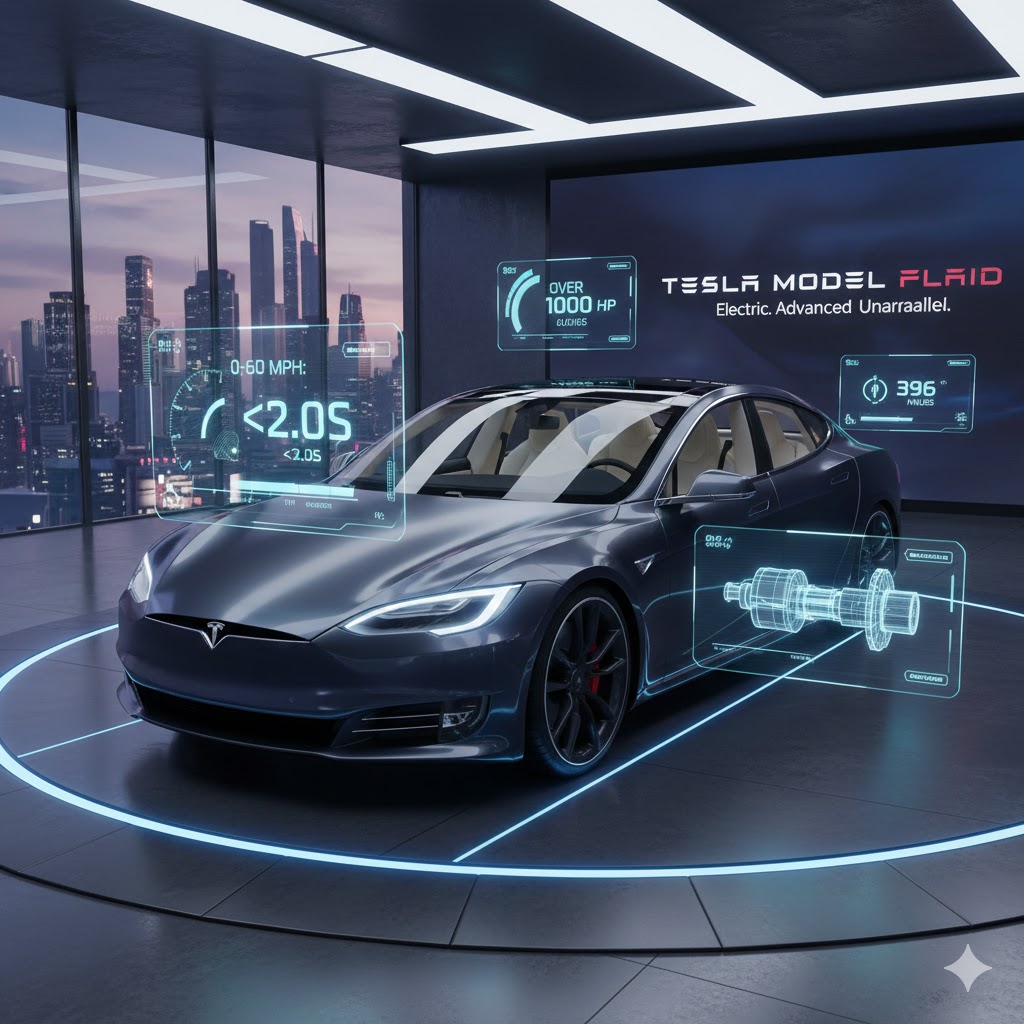
Honda and Nissan merger is undoubtedly one of the most significant events in recent years. The potential merger of these two Japanese automotive giants has far-reaching implications for car buyers, manufacturers, and the global market. In this blog, we’ll explore what the merger could mean, why it’s happening, and how it could reshape the automotive landscape for years to come.
Understanding the Honda and Nissan Merger
Mergers in the automotive world are not uncommon, but the combination of Honda and Nissan would be particularly noteworthy. Both companies are known for their engineering excellence, innovation, and global presence, yet they have different strengths:
- Honda: Renowned for fuel-efficient engines, hybrid technology, motorcycles, and reliable cars like the Civic and Accord.
- Nissan: Known for electric vehicles (like the Leaf), global reach, and advanced driver-assistance technologies such as ProPILOT.
The Honda and Nissan merger could create a formidable entity capable of pooling resources, sharing technology, and competing more effectively in a highly competitive global market. Analysts suggest this merger could accelerate electric vehicle (EV) development, enhance supply chain efficiency, and provide a stronger competitive edge against rivals like Toyota, Volkswagen, and Tesla.
Why the Merger Makes Strategic Sense
There are several reasons why Honda and Nissan may pursue a merger:
1. Combining Research and Development Strengths
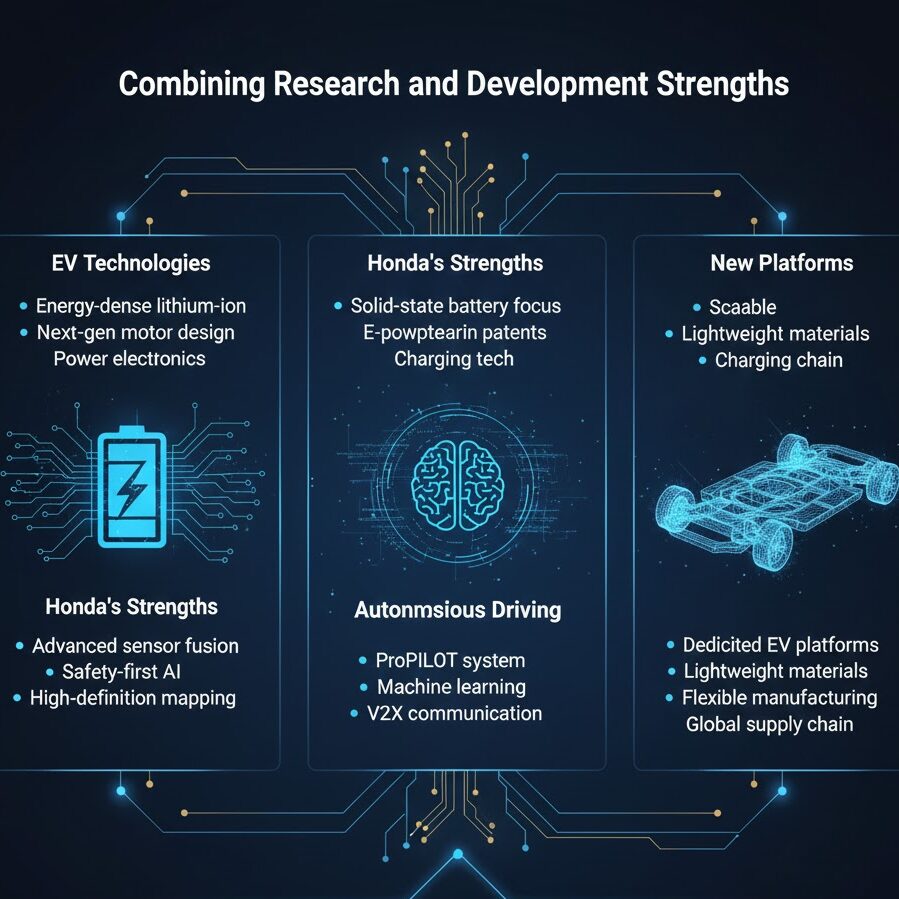
Both companies have invested heavily in EVs, autonomous driving, and next-generation vehicle technologies. By merging, they can share R&D costs and accelerate the rollout of new innovations, such as solid-state batteries, AI-assisted driving, and more efficient EV platforms.
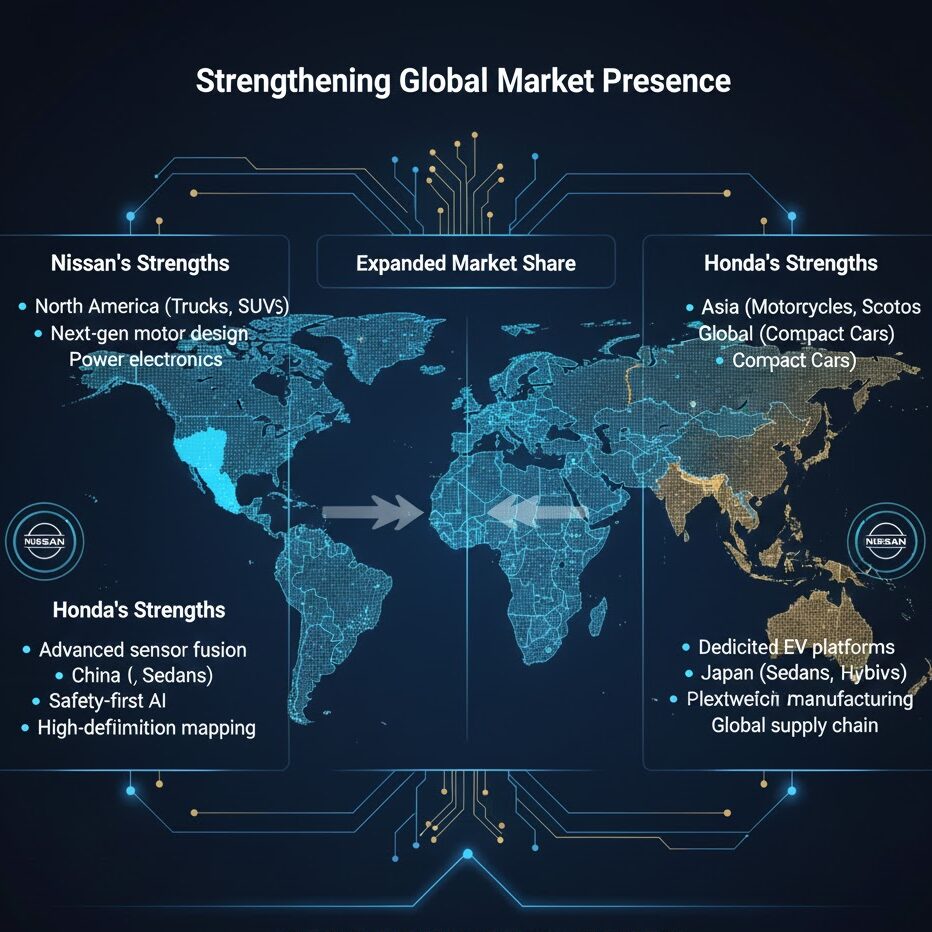
2. Strengthening Global Market Presence
Nissan has a strong foothold in North America, China, and the Middle East, while Honda excels in motorcycles, scooters, and smaller vehicles across Asia. Combining these strengths allows the new entity to expand market share and reach regions more efficiently.

3. Achieving Economies of Scale
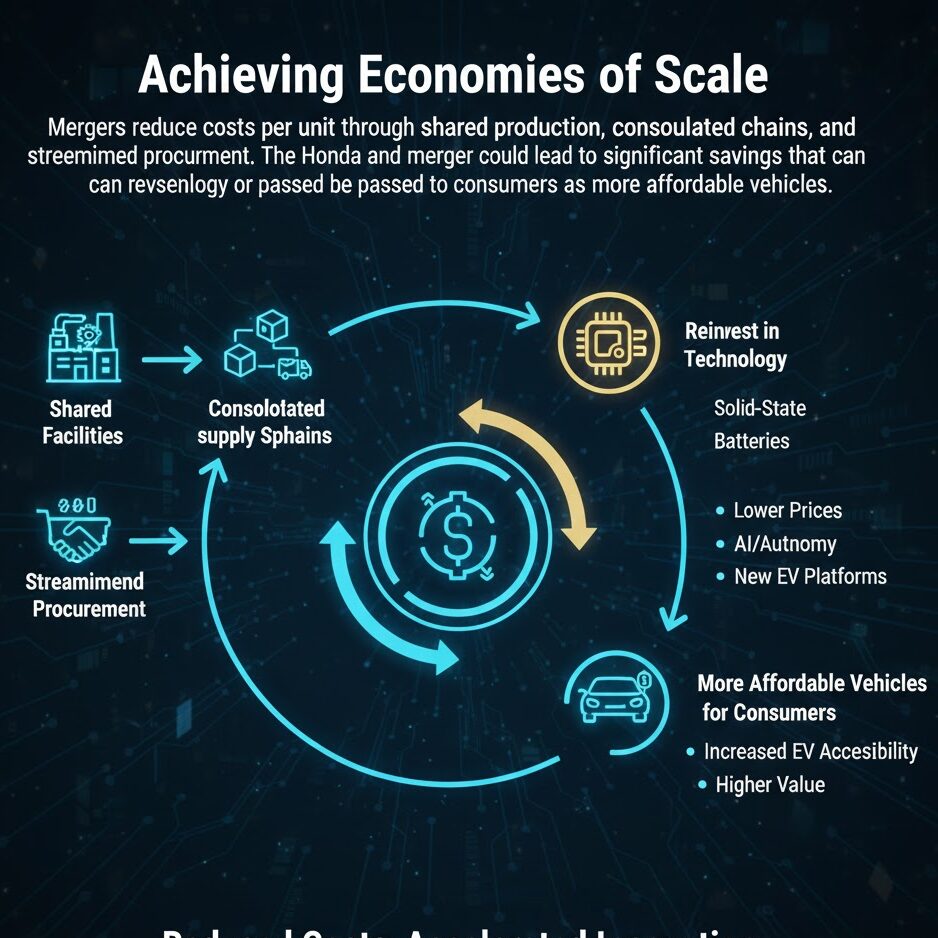
Mergers reduce costs per unit through shared production, consolidated supply chains, and streamlined procurement. The Honda and Nissan merger could lead to significant savings that can be reinvested into technology or passed on to consumers as more affordable vehicles.
4. Accelerating Electric Vehicle Adoption
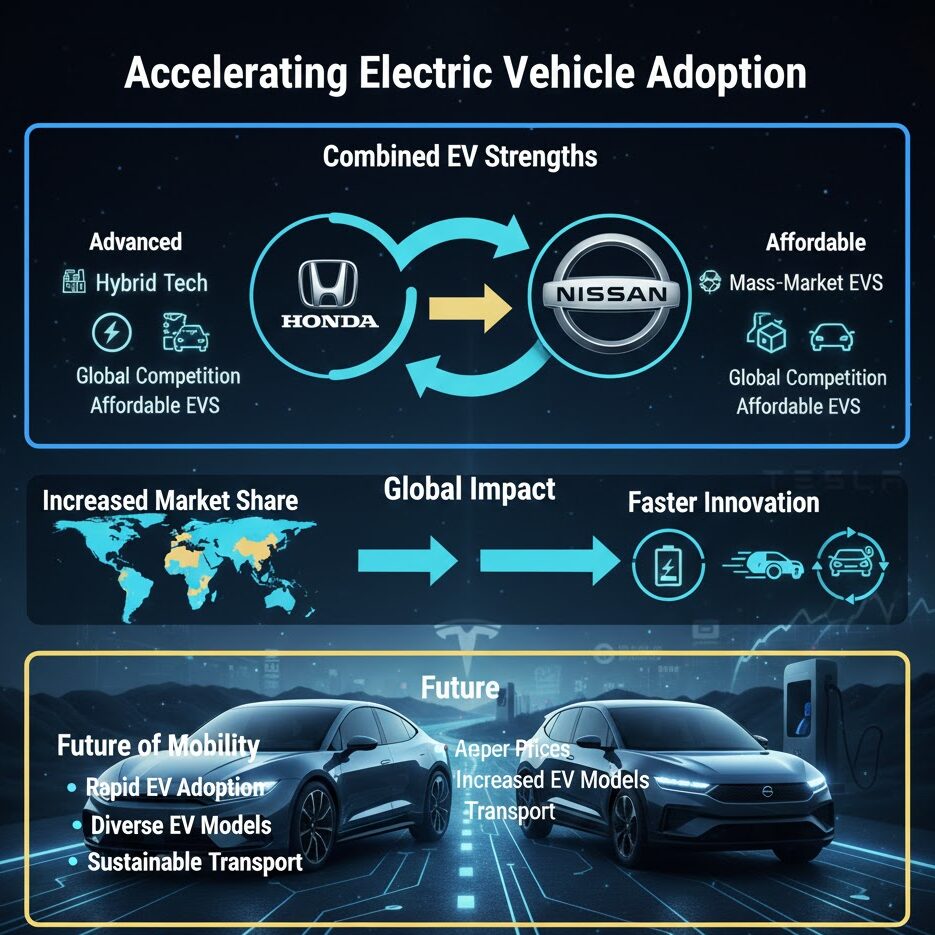
The EV market is growing rapidly, and competition is fierce. By combining Nissan’s EV expertise with Honda’s hybrid technology, the merged company could introduce more affordable, advanced, and sustainable electric vehicles, further boosting EV adoption worldwide.
Potential Impact on Global Car Markets
The Honda and Nissan merger could lead to major shifts in the automotive landscape. Here’s how:
1. Enhanced Price Competition
With shared resources and production efficiencies, the new entity may offer vehicles at more competitive prices. This could pressure other automakers to adjust their pricing strategies, ultimately benefiting consumers.
2. Increased EV Availability
Combining Nissan’s EV experience and Honda’s hybrid know-how could result in a broader lineup of electric and hybrid vehicles. This would accelerate the shift away from fossil fuels in regions where both companies have a strong presence.
3. Market Share Shifts
The merged company could become a formidable competitor in key segments such as sedans, SUVs, and EVs. Brands like Toyota, Volkswagen, and GM may face increased competition, potentially reshaping global market share.
4. Innovation in Autonomous Driving
Both Honda and Nissan have invested in autonomous vehicle technology. Pooling expertise could speed up the development of semi-autonomous and fully autonomous cars, transforming how people commute and interact with vehicles.
5. Supply Chain Optimization
The merger would allow consolidation of suppliers, reduction of redundancies, and negotiation of better deals. This could lower production costs and improve efficiency, especially critical in today’s competitive automotive market.
6. Impact on Local Economies
Countries with significant Honda and Nissan manufacturing plants may see economic benefits, including job creation and infrastructure investment. However, consolidation could also lead to plant closures in overlapping regions, depending on strategic decisions.
Challenges Ahead
While the Honda and Nissan merger has potential, it won’t be without challenges:
- Cultural Differences: Honda and Nissan have distinct corporate cultures and management styles, which may complicate integration.
- Regulatory Scrutiny: Governments may examine the merger to prevent monopolistic practices in key markets.
- Brand Identity: Maintaining the loyalty of both companies’ customers is crucial to avoid losing market confidence.
- Integration Costs: Merging operations, technology, and supply chains requires significant investment and time, potentially impacting short-term profitability.
Despite these hurdles, the potential benefits of innovation, cost savings, and global competitiveness make the merger an attractive proposition for both companies.
Implications for Consumers
For car buyers, the Honda and Nissan merger could offer several advantages:
- Better Technology: Access to advanced EVs, hybrid systems, and autonomous driving features.
- Competitive Pricing: Savings from shared production may translate into more affordable vehicles.
- Expanded Options: A combined portfolio would offer a wider range of cars, trucks, and SUVs.
- Reliability: Both Honda and Nissan are known for durable, reliable vehicles, which could be further enhanced through shared engineering expertise.
Future Outlook for the Auto Industry
The Honda and Nissan merger could be a pivotal moment in the automotive world. By combining strengths in EVs, hybrid technology, and global reach, the merged entity could redefine how cars are designed, produced, and sold. It also sets a precedent for other manufacturers to consider strategic mergers to stay competitive in an industry increasingly driven by technology and sustainability.
we believe that while the merger may face challenges, its potential to accelerate innovation, reduce costs, and benefit consumers is significant. Automotive enthusiasts, industry analysts, and investors alike will be watching closely as this development unfolds.
FAQs About the Honda and Nissan Merger
1. Why are Honda and Nissan merging?
The merger aims to combine resources, strengthen global competitiveness, and accelerate the development of electric and autonomous vehicles.
2. How will the merger affect car prices?
The merged company could leverage economies of scale to offer vehicles at more competitive prices, benefiting consumers.
3. Will existing Honda and Nissan models be affected?
Some models may be enhanced with shared technology, while overlapping models could be consolidated to optimize the lineup.
4. How will the merger impact EV adoption?
By combining Nissan’s EV expertise and Honda’s hybrid technology, the merger could accelerate the availability and affordability of electric vehicles.
5. Are there risks for consumers?
Challenges like brand identity, integration issues, and potential plant consolidations could affect vehicle availability in certain regions.
6. When is the merger expected to take effect?
The timeline depends on regulatory approvals and strategic planning, and full implementation may take several years.
Click the link below to read more about this blog :
How the Honda and Nissan Merger Could Change Electric Vehicles
