


Understanding What “Fastest Car in the World” Means
The title of the fastest car in the world is not merely about top speed—it also encompasses acceleration, aerodynamics, and overall engineering excellence. While many cars can hit high speeds in controlled conditions, the fastest cars combine:
- Aerodynamic efficiency to slice through the air
- Powerful engines with extreme horsepower
- Advanced materials to reduce weight without compromising safety
- Cutting-edge tires and suspension systems to handle immense forces
This combination allows a car to achieve top speeds exceeding 300 mph, making them true engineering masterpieces.
Key Factors Behind the Fastest Car in the World
1. Engine Power and Technology
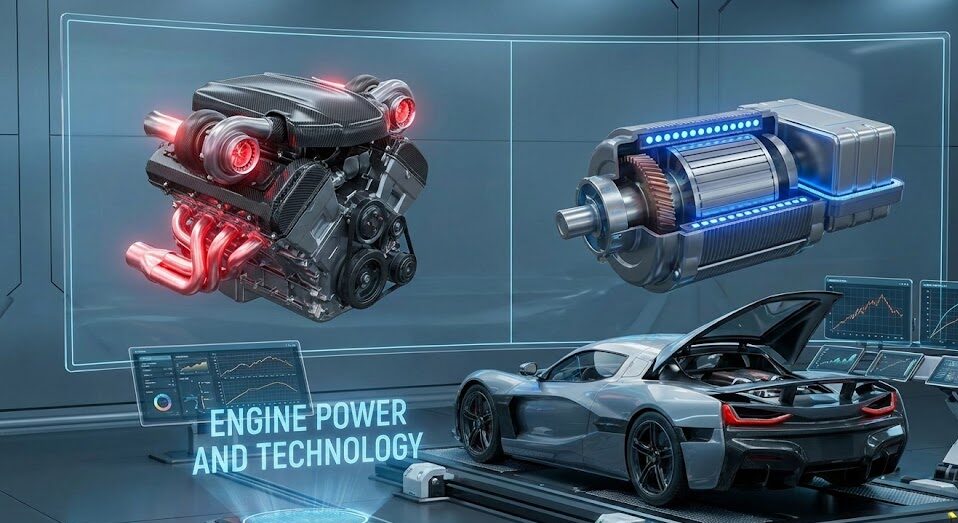
One of the most critical factors is the engine. Modern hypercars use either advanced internal combustion engines, electric motors, or a combination of both to achieve unparalleled performance. Many of the fastest cars in the world feature twin-turbocharged or quad-turbocharged engines, generating more than 1,500 horsepower.
In electric hypercars, instant torque provides jaw-dropping acceleration from 0-60 mph in under two seconds. Combining multiple motors and battery packs allows these vehicles to deliver consistent power while maintaining stability.
2. Lightweight Materials
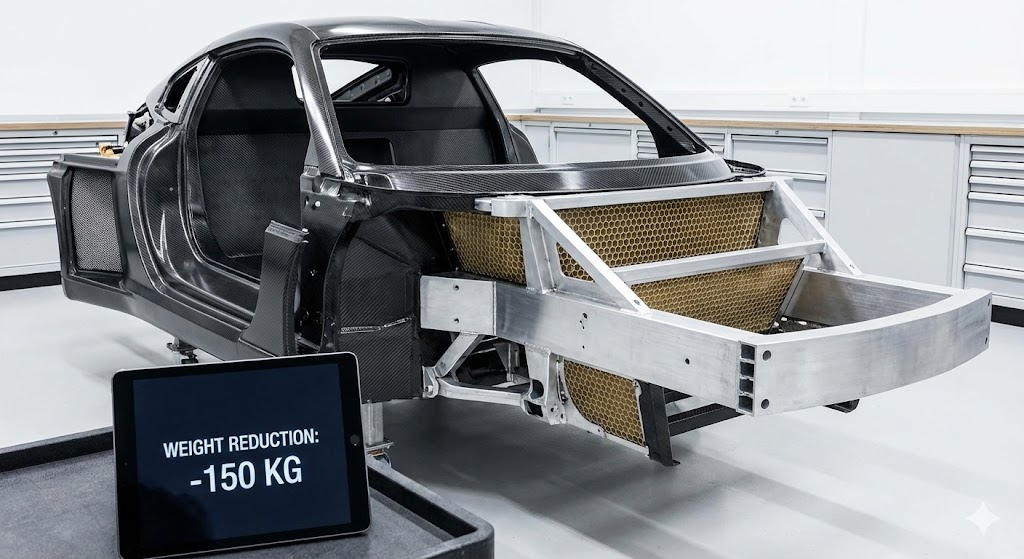
Reducing weight is crucial for achieving top speed. Manufacturers use carbon fiber, aluminum, and other lightweight composites to lower mass while maintaining structural integrity. The fastest car in the world often weighs less than 4,000 pounds, allowing its engine or electric powertrain to propel it faster and more efficiently.
3. Aerodynamics and Downforce
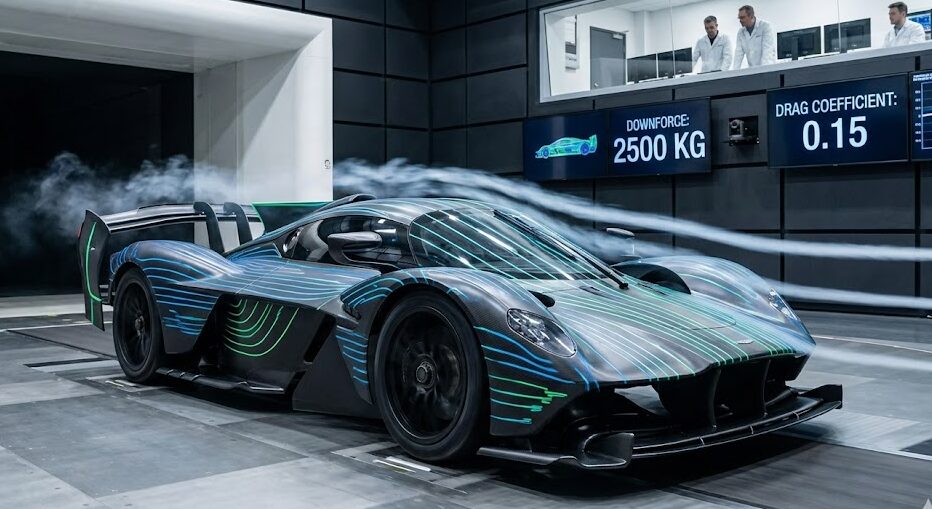
Aerodynamics play a huge role in high-speed performance. Engineers design every curve, vent, and spoiler to reduce drag and optimize downforce, which keeps the car glued to the road. At speeds over 300 mph, even minor aerodynamic inefficiencies can be dangerous, so precision in design is paramount.
4. Tires and Suspension
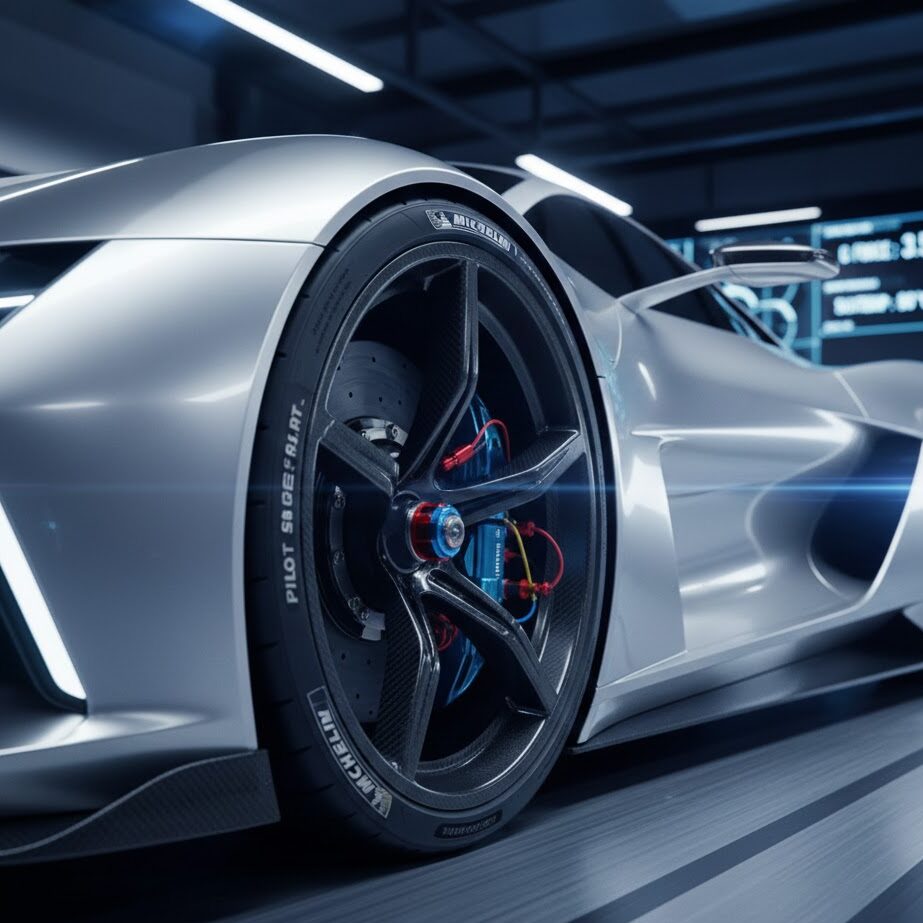
The tires of the fastest car in the world are specially engineered to handle extreme speeds. They must provide grip, stability, and heat resistance, while the suspension system absorbs high G-forces during acceleration, braking, and cornering. Advanced adjustable suspension systems allow the car to perform optimally at different speeds and road conditions.
5. Cutting-Edge Electronics
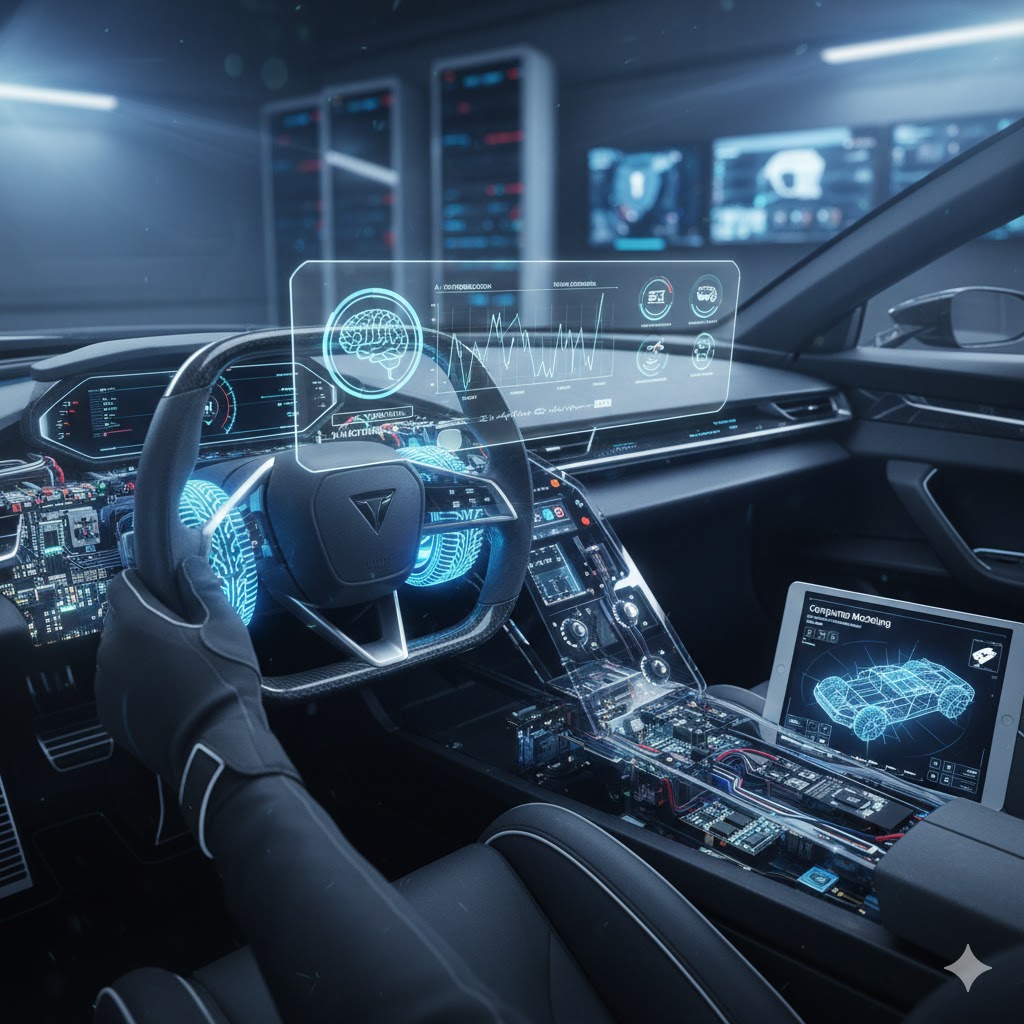
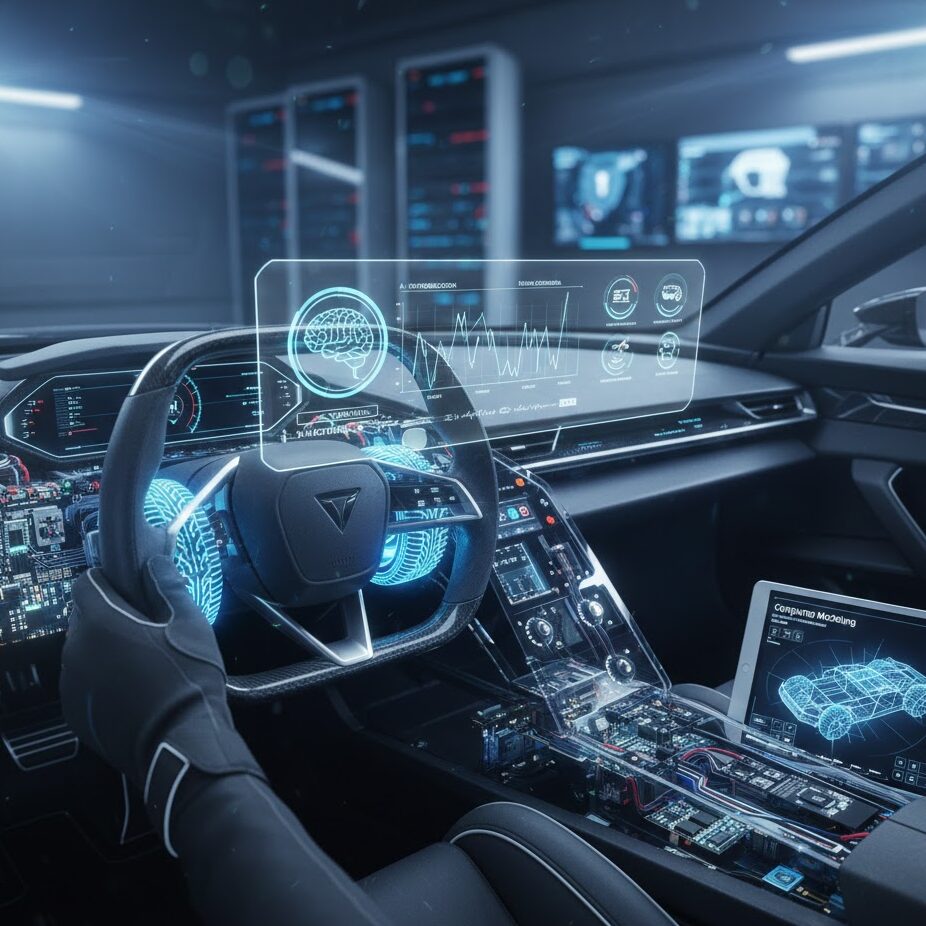
Modern hypercars use sophisticated electronic systems to manage power delivery, traction control, and stability. Advanced telemetry and sensors continuously adjust the car’s performance, ensuring maximum speed without sacrificing safety. The integration of AI and computer modeling has become essential in producing record-breaking cars.
Iconic Cars That Have Held the Title
Several vehicles have claimed the title of the fastest car in the world over the years. These include:
- Bugatti Chiron Super Sport 300+ – Known for exceeding 300 mph with a quad-turbo W16 engine.
- SSC Tuatara – Claimed a top speed of over 316 mph, featuring advanced aerodynamics and lightweight carbon fiber construction.
- Koenigsegg Jesko Absolut – Swedish engineering marvel designed for extreme speed with a 1,600-horsepower engine.
- Rimac Nevera – Electric hypercar delivering over 1,900 horsepower and instant torque for unmatched acceleration.
Each of these cars demonstrates the relentless pursuit of speed, combining innovation, performance, and style.
The Role of Engineering Precision
Achieving record-breaking speeds isn’t just about raw power—it requires meticulous engineering. Every component, from the engine internals to the brake pads, is optimized for performance. Engineers conduct extensive wind tunnel testing, simulation modeling, and track testing to ensure that the car can handle extreme speeds safely.
The fastest car in the world represents the pinnacle of automotive engineering, where precision meets performance. Even small design improvements can result in significant speed gains.
Safety at Extreme Speeds
While speed is the goal, safety cannot be ignored. Hypercars incorporate advanced safety features, including:
- Roll cages and reinforced chassis
- High-performance braking systems capable of stopping from over 300 mph
- Driver assistance systems that enhance stability and traction
- Crash-tested materials to protect occupants in rare scenarios
These innovations make it possible for drivers to push boundaries without compromising safety.
Impact on Automotive Technology
The technologies developed for the fastest car in the world often trickle down to consumer vehicles. Examples include:
- Advanced aerodynamics for fuel efficiency
- Lightweight materials for better handling and efficiency
- High-performance batteries and electric motors for EVs
- Cutting-edge braking and suspension systems for sports cars
In this way, hypercars don’t just break records—they advance the entire automotive industry.
Why Enthusiasts Are Fascinated
Car enthusiasts are drawn to the fastest car in the world for several reasons:
- Adrenaline and Performance: Experiencing extreme acceleration is thrilling.
- Engineering Marvels: Hypercars showcase human ingenuity and technical mastery.
- Exclusivity and Prestige: Limited production numbers make these cars rare and desirable.
- Cultural Impact: These vehicles appear in movies, video games, and media, inspiring generations of car lovers.
Conclusion
The fastest car in the world is more than a vehicle; it’s a statement of technological achievement, creativity, and ambition. From engine design to aerodynamics, from lightweight materials to advanced electronics, every element is optimized for maximum performance. At NexGenWheels, we celebrate these engineering marvels not just for their speed, but for the innovation they bring to the automotive industry. Whether you’re a car enthusiast, a potential buyer, or just fascinated by human ingenuity, the fastest car in the world represents the pinnacle of what’s possible on four wheels.
FAQs About the Fastest Car in the World
1. What is the current fastest car in the world?
Several hypercars compete for this title, including the Bugatti Chiron Super Sport 300+, SSC Tuatara, and Koenigsegg Jesko Absolut.
2. How fast can the fastest car in the world go?
Top speeds exceed 300 mph, with some hypercars capable of reaching 316 mph or more under controlled conditions.
3. Are electric cars capable of being the fastest cars in the world?
Yes! Cars like the Rimac Nevera demonstrate that electric vehicles can achieve extreme acceleration and top speeds comparable to traditional hypercars.
4. What factors determine a car’s top speed?
Engine power, aerodynamics, weight, tires, suspension, and advanced electronics all contribute to a car’s maximum speed.
5. Are the fastest cars in the world safe to drive?
Hypercar manufacturers prioritize safety with reinforced chassis, advanced braking systems, and stability control, but extreme speeds should only be attempted in controlled conditions.
6. Do technologies from the fastest cars benefit regular vehicles?
Yes, innovations in aerodynamics, lightweight materials, suspension, and electric powertrains often trickle down to consumer vehicles, improving performance and efficiency.
Click the link below to read more about this blog :
Fastest Car in the World: Breaking Records and Pushing Limits
